By Huzaifa Shahid, Founder·Sep 19, 2026

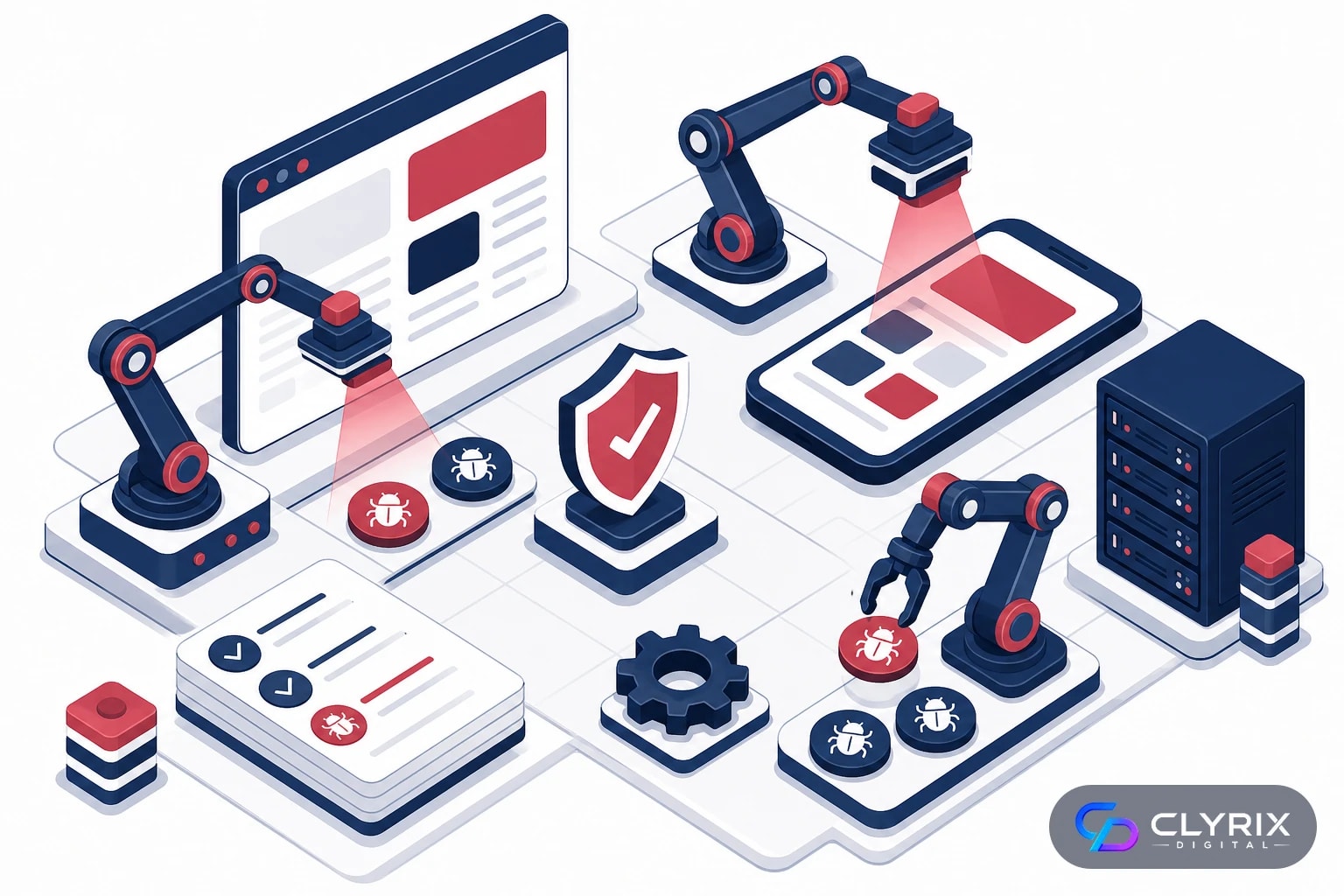
Smart project management tools help software teams plan work, track delivery, surface blockers and automate project admin with AI-assisted features. In 2026, the best choice depends less on popularity and more on your workflow: issue-heavy engineering, client-facing delivery, cross-functional marketing, compliance needs or custom reporting.
For most software teams, Jira remains strongest for complex engineering governance, Linear is excellent for focused product teams, ClickUp offers broad workspace flexibility, Asana works well for cross-functional planning, and Monday.com is useful for visual operations. None is automatically “best” for every dev team.
The practical question is whether your team needs a configurable SaaS platform or a custom project portal tied to your product, CRM, billing, support and reporting systems. If your workflows depend on unique approvals, customer visibility, role-based dashboards or deep API integrations, a bespoke solution may be more efficient than forcing everything into a generic tool.
This guide compares the leading AI-assisted PM platforms, pricing patterns, selection criteria and build-versus-buy signals. If you are modernizing a delivery workflow, an experienced custom app development partner can also help map what should stay in SaaS and what deserves a dedicated internal portal.
$8–$30
Typical monthly paid SaaS range per user
5–8
Core tools often used across delivery teams
2–6 weeks
Common rollout window for a small team
30–90 days
Time to judge adoption quality

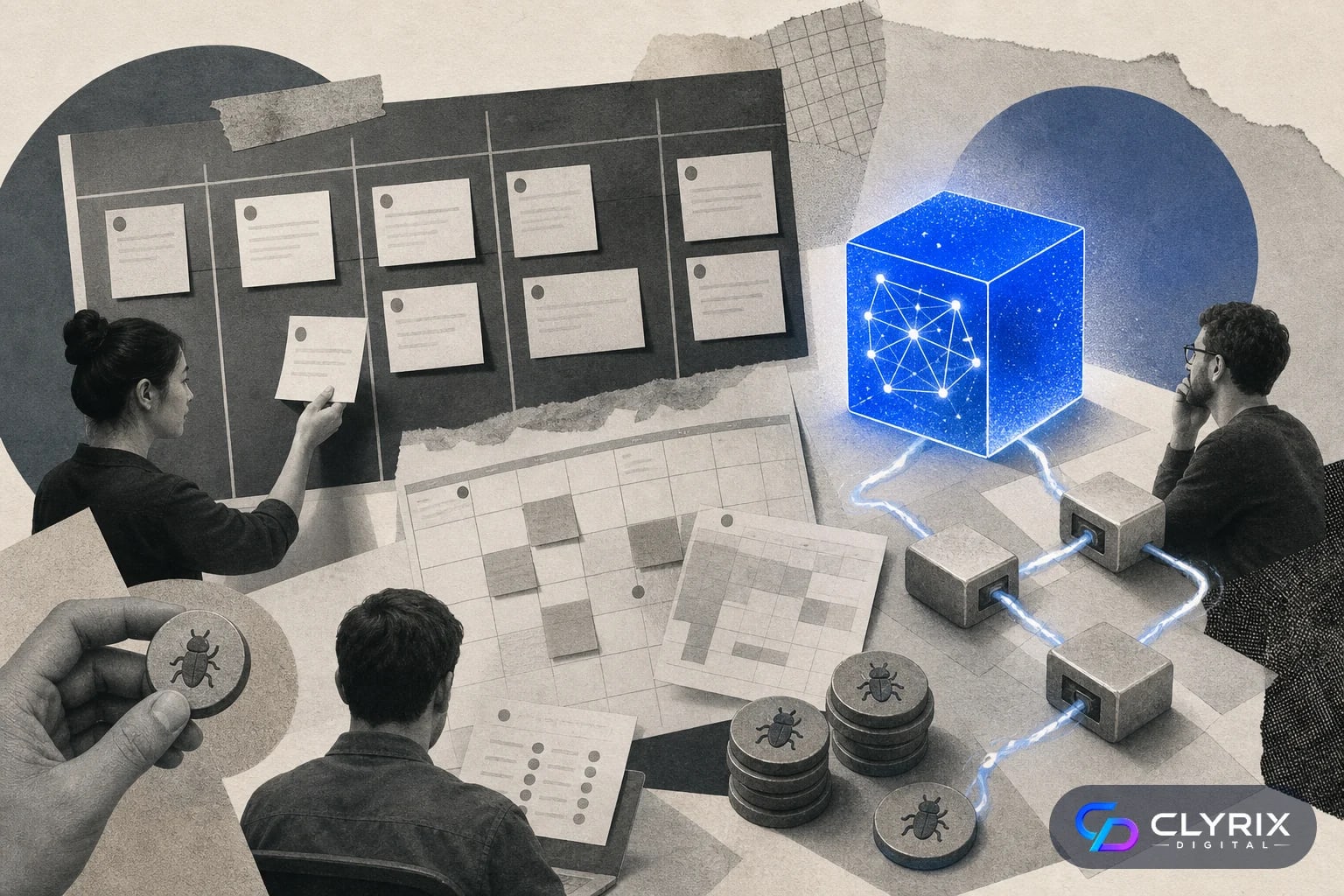
AI-assisted project management is most valuable when it removes administrative friction. Common features include auto-generated task descriptions, meeting summaries, backlog clustering, natural-language search, risk signals, due-date recommendations and status updates drafted from recent activity.
For software teams, this can save time during sprint planning and stakeholder reporting. A product manager can ask what changed in the release scope, an engineering lead can summarize blockers, and a founder can get a plain-English update without opening every ticket. These capabilities are useful, but they depend heavily on clean data.
In our delivery experience, AI features perform poorly when teams use vague task titles, skip acceptance criteria or allow stale tickets to pile up. A smart platform cannot infer business priority if every issue is labeled urgent. It also cannot replace architectural judgment, code review standards or product decision-making.
Before choosing a tool for its AI layer, confirm the fundamentals: task ownership, workflow stages, release cadence, integration needs, reporting requirements and security expectations. AI should make a working process faster, not disguise a broken one.
Look for AI features that support real software delivery:
If your team handles regulated data, review each vendor’s security documentation and data processing terms. For SaaS startups pursuing formal controls, Clyrix Digital’s guide to a SOC 2 ready SaaS checklist is a useful companion when evaluating tools and access policies.
The leading platforms overlap, but each has a natural center of gravity. Use this comparison as a first filter before running a pilot with your actual backlog and reporting needs.
| Tool | Best Fit | Strength | Watchout |
|---|---|---|---|
| Linear | Product engineering | Fast issue workflow | Less non-dev flexibility |
| Jira | Scaled software teams | Deep configuration | Can become heavy |
| ClickUp | Mixed departments | All-in-one workspace | Requires governance |
| Asana | Cross-functional planning | Clear portfolio views | Less engineering-native |
| Monday.com | Operations visibility | Visual dashboards | Dev depth varies |
Pricing, AI limits and enterprise features change frequently, so confirm current plan details on vendor sites before procurement.
A five-person startup building an MVP does not need the same tooling as a 120-person SaaS company with platform, mobile, QA, DevOps and customer success teams. Overbuying creates process drag. Underbuying creates reporting gaps, permission issues and unreliable delivery visibility.
Small teams usually benefit from speed, low setup effort and simple conventions. Linear, ClickUp or Asana can be enough if the team keeps scope tight. Mid-size software teams often need stronger integrations, portfolio visibility and permission controls. Larger organizations typically need governance, audit trails, release planning and standardized workflows across departments.
Delivery model matters too. A product company working from a roadmap has different needs than an agency handling multiple client projects. A healthcare software team may need stricter access controls and HIPAA-aware processes. A venture-backed startup may prioritize rapid iteration and investor-ready reporting over process maturity.
If you are still defining your development cadence, first clarify how work moves from idea to shipped release. The timeline expectations in mobile app MVP development show why tooling should match sprint planning, QA, feedback cycles and release risk rather than simply storing tasks.
Match the tool to these operating conditions:
Most vendors use per-seat pricing, with AI features, automations, enterprise security and advanced reporting often reserved for higher tiers. These ranges are general market patterns, not guaranteed quotes.
| Plan Type | Monthly Range | Typical Buyer | Common Limits |
|---|---|---|---|
| Free | $0 | Tiny teams | Seat or feature caps |
| Basic paid | $8–$15/user | Small teams | Limited reporting |
| Business | $15–$30/user | Growing teams | AI may cost extra |
| Enterprise | Custom | Larger companies | Annual contracts |
| Custom portal | $25k+ build | Unique workflows | Requires maintenance |
Budget for onboarding time, workflow cleanup and integrations. License cost alone rarely reflects the total cost of ownership.
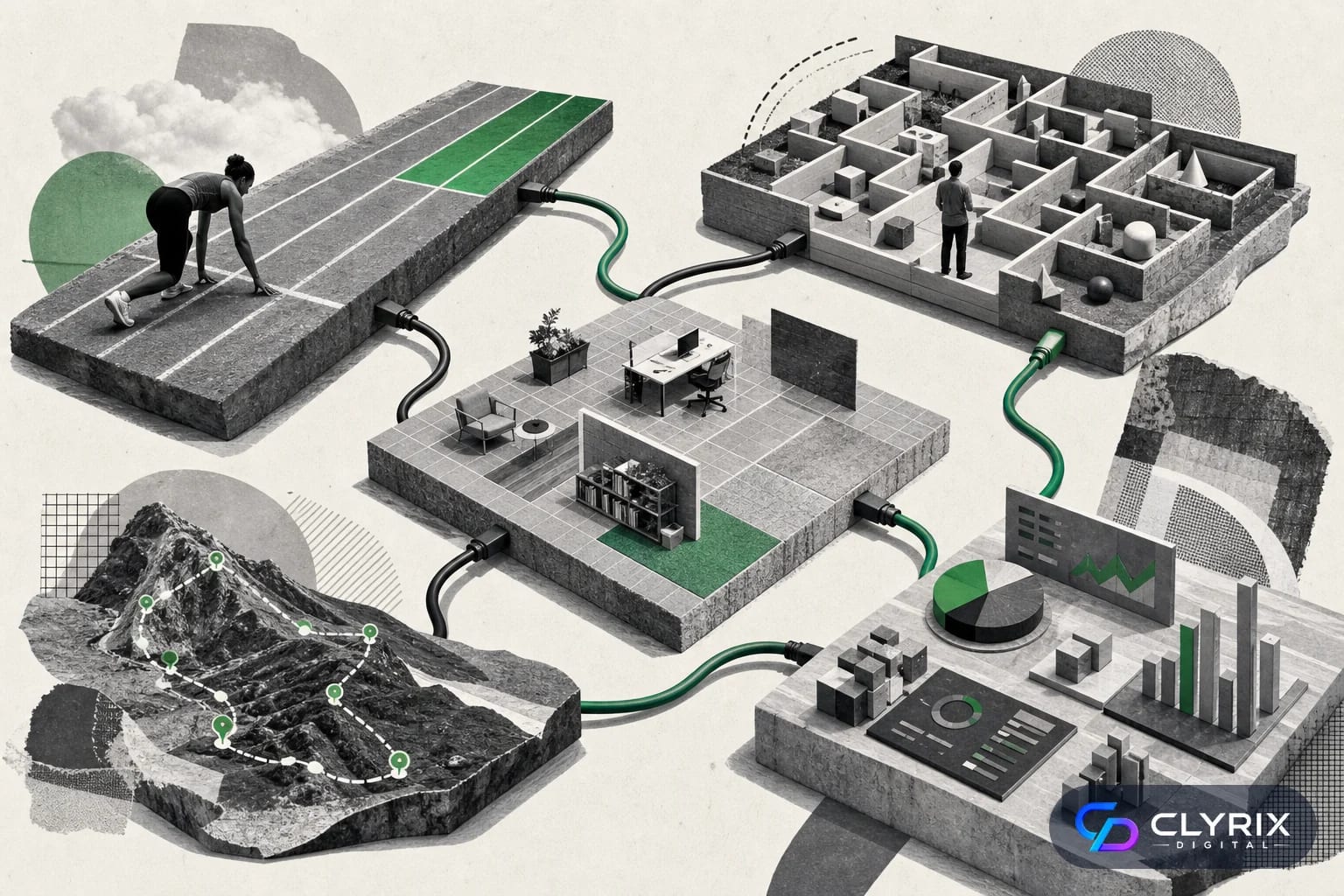
Linear is popular with product-focused engineering teams because it is fast, opinionated and uncluttered. It encourages clean issue management, cycles and roadmaps without requiring a large admin layer. The trade-off is that teams needing heavy compliance workflows, complex non-engineering approvals or highly customized reporting may outgrow its simplicity.
Jira remains the default for many established software organizations. It supports complex workflows, granular permissions, release management, marketplace extensions and deep engineering practices. The risk is configuration sprawl. We often see teams create so many statuses, custom fields and boards that delivery becomes harder to understand.
ClickUp is attractive when one workspace must serve product, engineering, marketing, operations and leadership. It is flexible and broad, but that flexibility needs governance. Without naming conventions and admin control, teams can create inconsistent spaces that make reporting unreliable.
Asana and Monday.com are strong for visibility beyond engineering. They help executives, marketers and operations teams understand initiatives without living inside developer-centric boards. They may need careful setup or integrations if your engineering team expects detailed sprint, branch, pull request and deployment workflows.
A practical shortlist often looks like this:
For developer-heavy teams, also examine how each option connects with repositories, CI/CD, incident management and documentation. Atlassian, Linear, Asana and Monday all publish product and security information on their official sites; start with vendor documentation and your own procurement checklist rather than relying only on feature grids.
Do not choose a PM platform from a demo alone. Vendor demos show ideal workflows, not your messy backlog, real permissions, odd approval paths and reporting expectations. A short pilot with real work is the fastest way to identify friction.
Start with two or three realistic scenarios: a bug moving from support to engineering, a feature request becoming a roadmap item, and a release requiring QA, product sign-off and stakeholder updates. Then compare how each tool handles ownership, status, dependencies, notifications, documentation and reporting.
Avoid moving every project during the pilot. That creates noise and frustrates the team. Instead, select one active squad or product stream, define success criteria, and review outcomes after two to four weeks. Adoption quality matters more than feature enthusiasm.
If your evaluation includes custom integrations, factor in API reliability and implementation effort. The budgeting considerations in Clyrix Digital’s API integration cost guide can help estimate what it takes to connect PM tools with CRM, support, billing or analytics platforms.
Document how work starts, who approves it, where requirements live, how developers receive tasks, when QA enters, and how releases are communicated. This exposes bottlenecks before software selection.
Separate essentials from preferences. Must-haves might include SSO, audit logs, role permissions, GitHub integration, customer-level separation, time tracking or specific compliance requirements.
Test one active team for a limited period. Use real tasks, actual meetings and normal stakeholders. Measure whether the tool reduces manual coordination or simply moves work into a new interface.
At the end, review task hygiene, notification quality, reporting accuracy and developer sentiment. A tool that leadership likes but engineers avoid will fail quietly over time.
If the platform fits 80 to 90 percent of your process, buy and configure. If the missing 10 percent is mission-critical, consider integration or a custom portal instead of endless workarounds.
This is where an experienced technology partner such as Clyrix Digital can help compare configuration, integration and custom development objectively.
Smart PM tools hold sensitive operational data: product plans, security bugs, customer escalations, financial priorities, employee notes and sometimes protected or regulated information. Treat the tool as part of your software supply chain, not just a productivity app.
For US companies, relevant considerations may include SOC 2 vendor posture, CCPA data rights, HIPAA obligations for healthcare workflows, ADA considerations for accessible internal tools, and contractual confidentiality. If customer data or regulated records appear in tickets, your policy needs to be explicit about what can and cannot be entered.
AI features add another layer. Ask whether your data is used for model training, how prompts and generated outputs are stored, whether admins can disable AI features, and what region or retention controls exist. Review official security pages, data processing agreements and terms rather than relying on sales summaries.
The US Federal Trade Commission has repeatedly emphasized responsible data practices and truthful AI claims through its business guidance at FTC.gov. For teams working toward formal controls, align PM tool permissions with least privilege, SSO, offboarding procedures and audit review.
Minimum governance checks before rollout:
Security is not just a vendor checkbox. Your internal process determines whether sensitive details are copied into comments, screenshots, attachments and AI prompts.
A custom project portal is not the right answer for every team. If your workflow is standard, your team is small and your reporting needs are straightforward, a SaaS tool is cheaper and faster. Buying is usually best when the platform fits your operating model with light configuration.
Custom software becomes attractive when the workflow is unique, revenue-critical or deeply connected to other systems. Examples include a client-facing delivery portal, a customer implementation tracker, a construction-style software rollout dashboard, an internal product governance hub, or a multi-tenant project system embedded in your SaaS platform.
The decision often turns on data ownership and integration depth. If you need one place where customers can see milestones, invoices, support tickets, documents, approvals and product usage data, a generic PM platform may feel patched together. A custom portal can provide a cleaner role-based experience.
Cost is the trade-off. A custom portal usually requires discovery, UX design, development, QA, hosting, security maintenance and ongoing iteration. For many US SMEs, initial builds can start around the mid-five figures and rise significantly with integrations, compliance, analytics and multi-tenant permissions. For a deeper comparison of portal pricing, see the guide to B2B customer portal development cost.
Consider building when these conditions apply:
If you do build, do not recreate Jira from scratch. Build only the workflow layer that creates business value, and integrate with proven tools where they already work well. Clyrix Digital’s web development services can support secure portals when the user experience and front-end performance matter as much as the workflow engine.
The most common failure is treating the tool as the process. A platform can enforce steps, but it cannot decide priorities, resolve stakeholder conflict or define what “done” means. If leadership changes priorities every week, the board will simply become a visible record of chaos.
Another mistake is over-customization. Teams add fields for every edge case, create too many statuses, and automate notifications until everyone ignores them. This makes reporting look sophisticated while reducing clarity for the people doing the work.
AI can also create false confidence. Auto-written updates sound polished even when the underlying project is behind. Leaders should still review blockers, scope changes, dependency risks and quality signals. Good AI summaries are a starting point for questions, not a substitute for delivery management.
Finally, many teams skip training. Even simple tools need shared conventions: naming, ownership, due dates, definitions of priority, escalation paths and what belongs in comments versus documents. A one-page operating agreement often improves adoption more than another paid feature.
Avoid these rollout errors:
Google’s guidance on helpful digital experiences consistently favors usability, speed and clarity. The same principle applies internally: if your PM system is hard to use, people will route around it.
Smart project management tools can materially improve software delivery when they match the team’s real workflow. Linear, Jira, ClickUp, Asana and Monday.com are all credible choices, but they solve different problems. The right decision comes from testing your actual delivery scenarios, not copying another company’s stack.
Start with workflow clarity, security requirements and reporting needs. Then pilot two or three tools with real work. If SaaS fits 80 to 90 percent of the process, configure it well and keep governance tight. If your workflow is customer-facing, proprietary or deeply integrated with business systems, explore a custom portal with a realistic build and maintenance plan.
If you need help deciding between SaaS configuration, workflow automation and custom software, Clyrix Digital can help assess the architecture and implementation path without forcing a one-size-fits-all answer.
Smart project management tools are platforms that combine task tracking, workflow management, collaboration and automation with AI-assisted features such as summaries, search, recommendations and risk detection. For software teams, they usually connect with development tools like GitHub, GitLab, Slack, CI/CD systems and documentation platforms.
There is no single best tool for every team. Linear is strong for focused product engineering, Jira is best for complex scaled software workflows, ClickUp is flexible across departments, Asana is good for cross-functional planning, and Monday.com works well for visual operations. The best choice depends on team size, governance and integrations.
AI features are worth paying for when they reduce real administrative work, such as writing status updates, summarizing sprint progress, finding related issues or answering workspace questions. They are not worth much if your task data is incomplete, ownership is unclear or the team does not maintain the backlog properly.
Most business-grade smart PM tools cost roughly $8 to $30 per user per month, depending on plan level, AI access, reporting, automations and security features. Enterprise pricing is usually custom. Also budget for setup, training, workflow cleanup and integrations, because license fees are only part of total cost.
Build a custom portal when your workflow is unique, customer-facing, revenue-critical or deeply integrated with CRM, billing, support, analytics or product systems. If a standard SaaS tool fits most requirements, buy it. If workarounds create constant friction or poor customer visibility, custom software may be justified.
A small team can often pilot and roll out a PM tool in two to six weeks. Larger organizations may need 30 to 90 days for workflow mapping, permissions, integrations, data migration and training. The biggest variable is not the software setup; it is agreeing on how work should actually move.

Your trusted partner in innovative web solutions, delivering tailored development, design, and marketing services to elevate your digital presence and business growth.
info@clyrixdigital.com
© 2026 Clyrix Digital. All rights reserved.